Understanding the psychological triggers that drive casino behavior
The Allure of Rewards
One of the primary psychological triggers behind casino behavior is the allure of rewards. Casinos are designed to create an environment where the possibility of winning big is ever-present. This anticipation activates the brain’s reward system, releasing dopamine, a neurotransmitter associated with pleasure and satisfaction. When players experience wins, even small ones, it reinforces their behavior, encouraging them to continue playing in hopes of achieving that euphoric feeling again. You can also find more information at the Tower Rush official site.
The excitement generated by potential rewards can lead to a phenomenon known as the “near-miss effect.” When players come close to winning, such as hitting multiple symbols on a slot machine but not quite completing a win, it can trigger a desire to keep playing. This psychological effect creates a cycle of hope and persistence, making it difficult for players to walk away from the game.
The Role of Environment
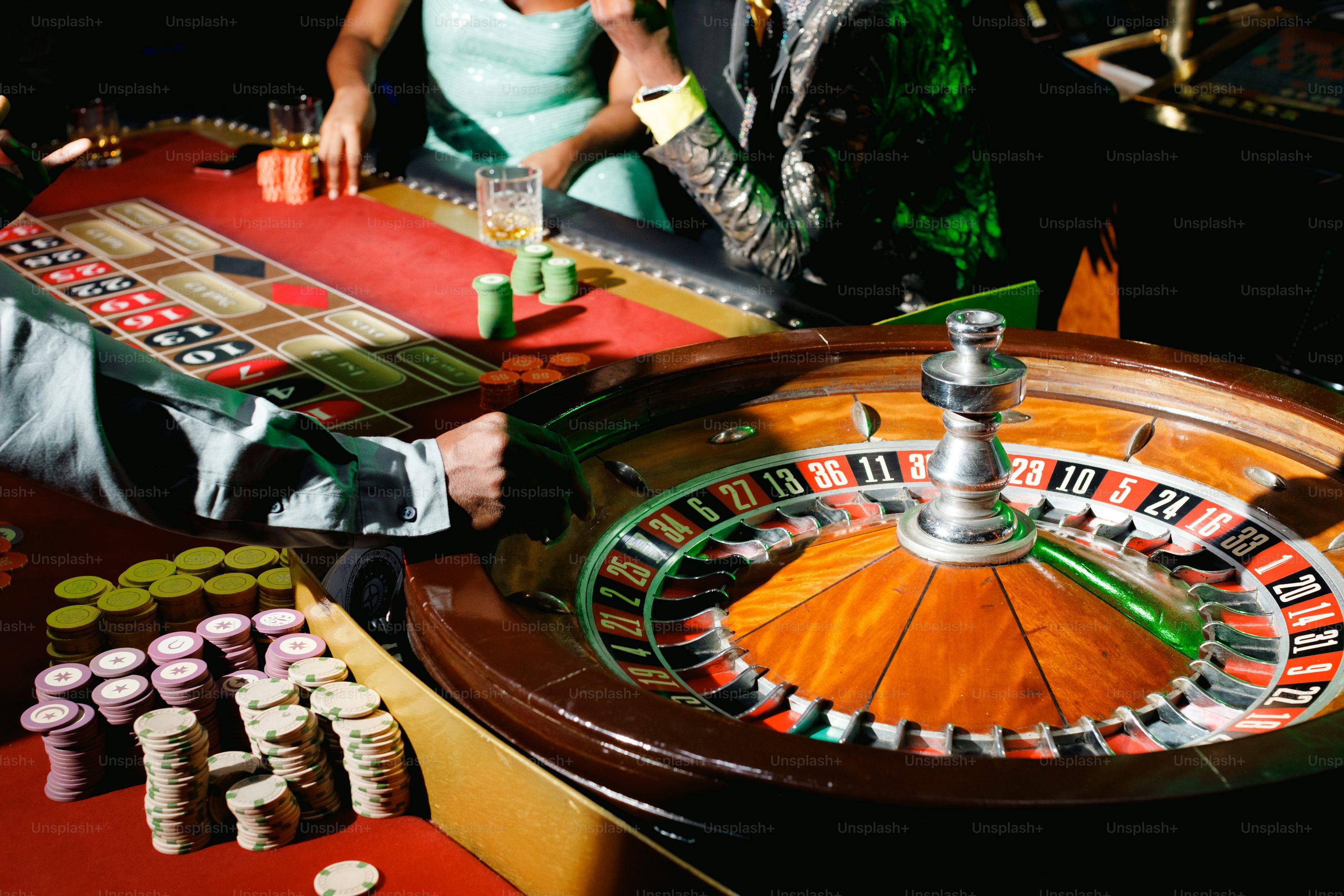
Casinos are meticulously designed to immerse players in a specific atmosphere that enhances their gaming experience. From lighting to sound effects, every element is carefully curated to create excitement and prolong playtime. The absence of clocks and windows contributes to the feeling of timelessness, allowing players to lose track of time as they chase their next win.
The physical layout of a casino is also crucial in influencing behavior. The placement of machines and tables is strategic, often designed to funnel players into areas where they are more likely to spend money. This environment can lead to impulsive decisions, as players may feel overwhelmed by the sensory stimulation and forget their spending limits.
The Impact of Social Dynamics
Social interactions in casinos can also play a significant role in driving behavior. Players often experience a sense of camaraderie while at tables or gaming areas, which can enhance their overall enjoyment and encourage them to stay longer. The presence of other players can create a shared excitement, making wins feel more significant and losses more bearable. The excitement and camaraderie contribute to the overall casino atmosphere.
Moreover, the allure of social proof comes into play. When players witness others winning, it can lead to an increase in their desire to play, based on the belief that they too might achieve similar success. This dynamic often results in players betting more than they initially planned, driven by the social atmosphere around them.
The Psychological Effect of Losses
Another key psychological trigger in casino behavior is the phenomenon known as loss aversion. Players are often more motivated to avoid losses than to achieve gains. This can lead to a cycle of chasing losses, where players continue to gamble in an attempt to recover their previous losses. The feeling of regret can drive individuals back to the tables, despite the rational understanding that their chances of winning are slim.
This compulsion to gamble can be particularly strong when individuals experience a string of losses. The need to regain control over their financial situation can override rational decision-making, leading to increased risk-taking behavior. Casinos are aware of this psychological trigger and often incorporate marketing strategies that encourage players to continue betting, despite their past experiences.

Exploring Online Casino Options
As technology advances, online casinos have become increasingly popular, offering players convenience and accessibility. The same psychological triggers that drive behavior in physical casinos are also present in the online environment. Players can enjoy a wide variety of games, with immersive graphics and engaging gameplay that mimic the excitement of traditional casinos.
Online casinos often incorporate features like bonuses and promotions that tap into the psychology of rewards, making it easy for players to get drawn in. Additionally, the ability to play from the comfort of home can reduce barriers to entry, encouraging longer play sessions. This environment can be just as captivating, leading to similar behavioral patterns as seen in brick-and-mortar establishments.